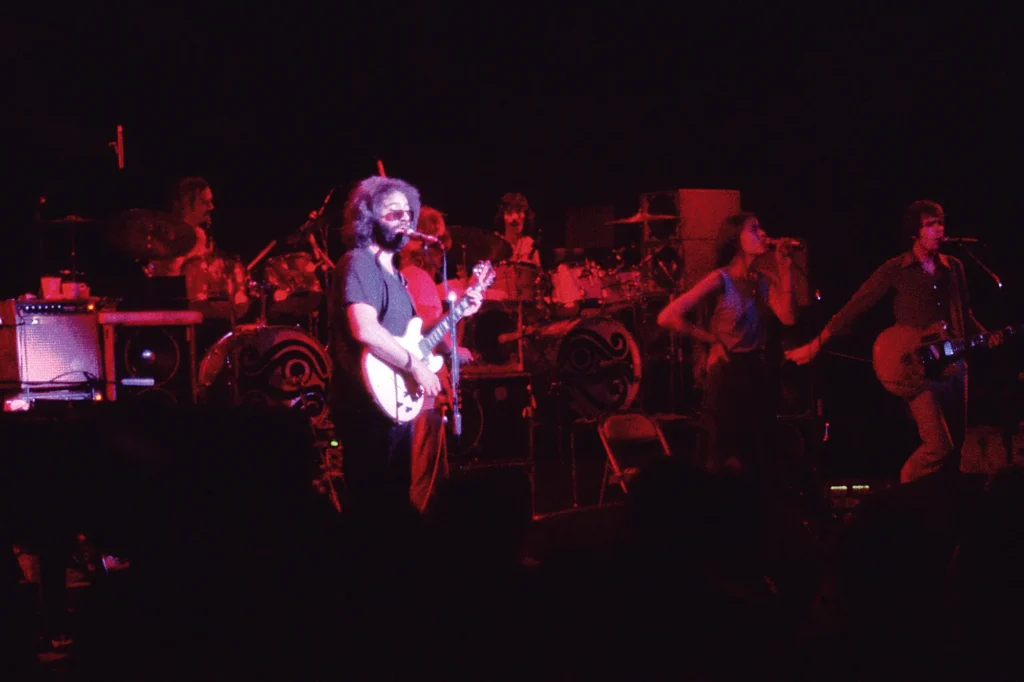
The Grateful Dead spent much of their career redefining what a live band could be. Every era brought a different personality, a different sound, and a different approach to improvisation. Some periods were fueled by youthful experimentation, others by technical precision, and still others by a mature confidence that only comes from years of collective musical experience. Few chapters demonstrate that evolution more clearly than the summer of 1976, when the band emerged from its extended touring hiatus refreshed, focused, and creatively revitalized.
Among the standout performances from that remarkable comeback year, June 19, 1976, at the Capitol Theatre in Passaic, New Jersey continues to occupy a special place in Grateful Dead history. Nearly five decades later, the show remains one of the most rewarding listening experiences from the post-hiatus period, capturing a band that had rediscovered its balance between adventurous improvisation and meticulous musicianship.
For longtime Deadheads, the Capitol Theatre performance represents everything that made the 1976 era unique. The pace was deliberate. The arrangements were sophisticated. The interplay between musicians was exceptionally refined. Rather than relying on sheer velocity or explosive energy, the Grateful Dead embraced space, dynamics, and subtlety. The result was a sound unlike any other period in the band’s long and celebrated journey.
The evening opened with an extraordinary sequence that immediately announced the band’s intentions. “Help On The Way,” “Slipknot!” and “Franklin’s Tower” flowed together with remarkable precision, creating one of the most satisfying opening statements of the era. By 1976, these songs were still relatively fresh additions to the repertoire, and the band approached them with the enthusiasm of musicians continuing to discover new possibilities within the material.
Jerry Garcia’s guitar work throughout the suite remains one of the defining elements of the performance. His playing is fluid without being excessive, melodic without sacrificing adventure. Every phrase feels purposeful. Every transition feels earned. Combined with Phil Lesh’s melodic bass lines, Keith Godchaux’s elegant piano work, and the rhythmic foundation provided by Bill Kreutzmann and Mickey Hart, the opening sequence remains a masterclass in ensemble performance.
The first set continues with a series of songs that perfectly capture the band’s post-hiatus approach. “The Music Never Stopped” arrives with confidence and energy, while “Brown Eyed Women” and “Cassidy” showcase the group’s growing sophistication as arrangers and storytellers. Performances of “They Love Each Other,” “Looks Like Rain,” and “Tennessee Jed” demonstrate how the Grateful Dead could move effortlessly between folk, country, rock, blues, and Americana without ever sounding forced or calculated.
One of the defining moments of the first set occurs before “Ramble On Rose,” when Bob Weir initiates the familiar “Take A Step Back” routine. What began as a practical effort to manage increasingly large crowds eventually became one of the most beloved traditions in Grateful Dead culture. The interaction perfectly illustrates the unique relationship between the band and its audience—a partnership built on communication, humor, and mutual respect.
As the show progresses into the second set, the Grateful Dead begin stretching out with greater freedom. “Might As Well” and “Samson and Delilah” inject immediate energy into the room before the band settles into a beautiful rendition of “High Time.” The song’s emotional depth provides one of the evening’s most touching moments and highlights Garcia’s remarkable ability to communicate vulnerability through music.
The centerpiece of the second set emerges through the combination of “Let It Grow” and an expansive “Dancing In The Street.” During the mid-1970s, “Dancing” evolved into one of the band’s most adventurous improvisational vehicles, and the version performed at the Capitol Theatre remains among the finest examples of that evolution. The jam unfolds patiently, allowing ideas to develop naturally while maintaining a strong sense of direction.
Another highlight arrives with the appearance of “Cosmic Charlie,” a song that had already become a rarity by this point in the Grateful Dead’s history. Its inclusion elevated an already impressive setlist and remains one of the performance’s most celebrated moments among collectors and longtime listeners.
The evening concludes with a powerful sequence of “Around And Around,” “Goin’ Down The Road Feeling Bad,” and “One More Saturday Night” before an encore performance of “Not Fade Away.” Few songs better capture the spirit of the Grateful Dead than “Not Fade Away.” More than a cover, it became a communal anthem that blurred the line between performer and audience, reinforcing the sense that everyone in the room was participating in the same experience.
What makes June 19, 1976 particularly significant today is how clearly it illustrates the Grateful Dead’s ability to reinvent themselves. After years of relentless touring, the hiatus could have slowed their momentum. Instead, it produced one of the most creative and distinctive periods in the band’s history. The Capitol Theatre performance stands as evidence of a group willing to evolve while remaining true to the improvisational spirit that had always defined its identity.
The enduring fascination with performances like this explains why Grateful Dead archival culture remains stronger than ever. Every week, fans continue exploring new releases, revisiting classic recordings, and rediscovering overlooked gems from every era of the band’s history.
The Grateful Dead have always existed in a world unlike any other band. While most musical legacies are measured by chart positions, awards, or album sales, the Grateful Dead created something far more enduring. They built a living culture. It is a culture fueled by live performance, community, exploration, storytelling, and an ever-expanding archive of music that continues to reveal new discoveries decades after the original performances took place. Even now, more than sixty years after the band’s formation, the Grateful Dead remain one of the most active and discussed forces in American music.
That enduring vitality has become especially evident throughout 2026 as Deadheads navigate one of the most significant transitions in the history of the community. The passing of Bob Weir marked the end of an era for fans who spent decades watching one of the Grateful Dead’s most important architects guide the music through countless transformations. Yet as difficult as that loss has been, the months that followed have demonstrated something remarkable about the Grateful Dead universe. The music continues moving forward.
At the center of that continuing evolution stands John Mayer, a musician who has spent the past decade earning the trust and respect of a fan base famously protective of the music they love. When Mayer first joined Dead & Company, opinions were divided. Some questioned whether an artist known primarily for contemporary pop and blues-rock could successfully inhabit a catalog built on improvisation, risk-taking, and collective musical conversation. Years later, those doubts have largely disappeared. Through relentless dedication and genuine reverence for the material, Mayer established himself as one of the most important contemporary interpreters of the Grateful Dead songbook.
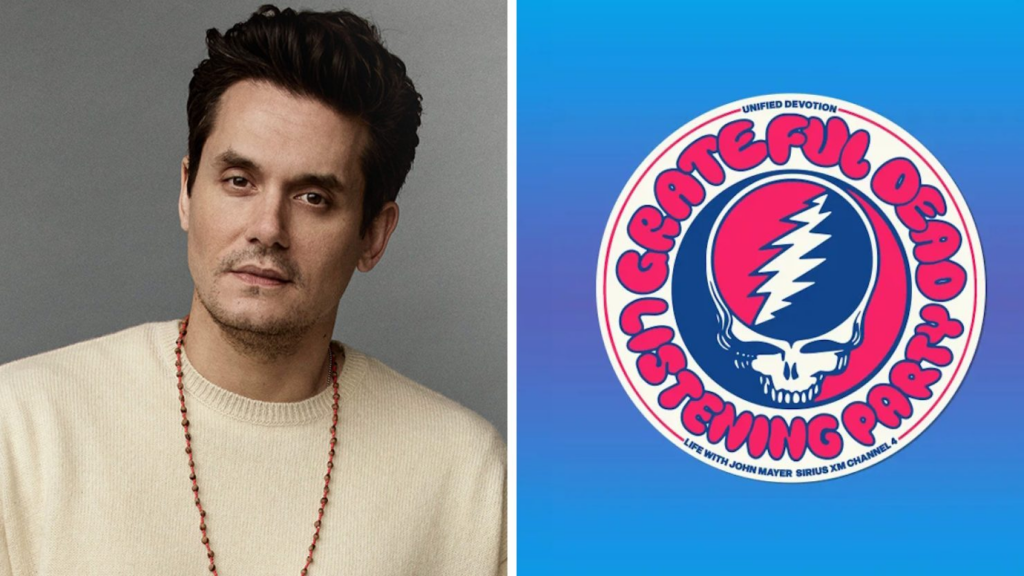
That commitment remains visible through his ongoing Grateful Dead Listening Party on SiriusXM’s Life with John Mayer channel. Airing every Sunday evening, the program has become much more than a radio show. For many fans, it serves as a weekly gathering place where rare recordings, overlooked performances, and historic moments are revisited and reexamined. Mayer’s enthusiasm for the music is evident in every episode as he guides listeners through decades of performances, offering personal insights while highlighting details that even longtime collectors may have overlooked. In many ways, the program has become a modern extension of the tape-trading culture that helped sustain the Grateful Dead community for generations.
The timing of the show feels particularly significant given the uncertainty surrounding the future of Dead & Company. Following Weir’s passing, questions immediately emerged regarding whether the project would continue and what form it might eventually take. While speculation remains widespread, particularly across social media, the reality is that no official touring plans currently exist. Despite a steady stream of fabricated concert announcements and fictional residency rumors circulating online, there are no confirmed performances on the schedule. What has emerged instead is a broader conversation about stewardship, legacy, and responsibility.
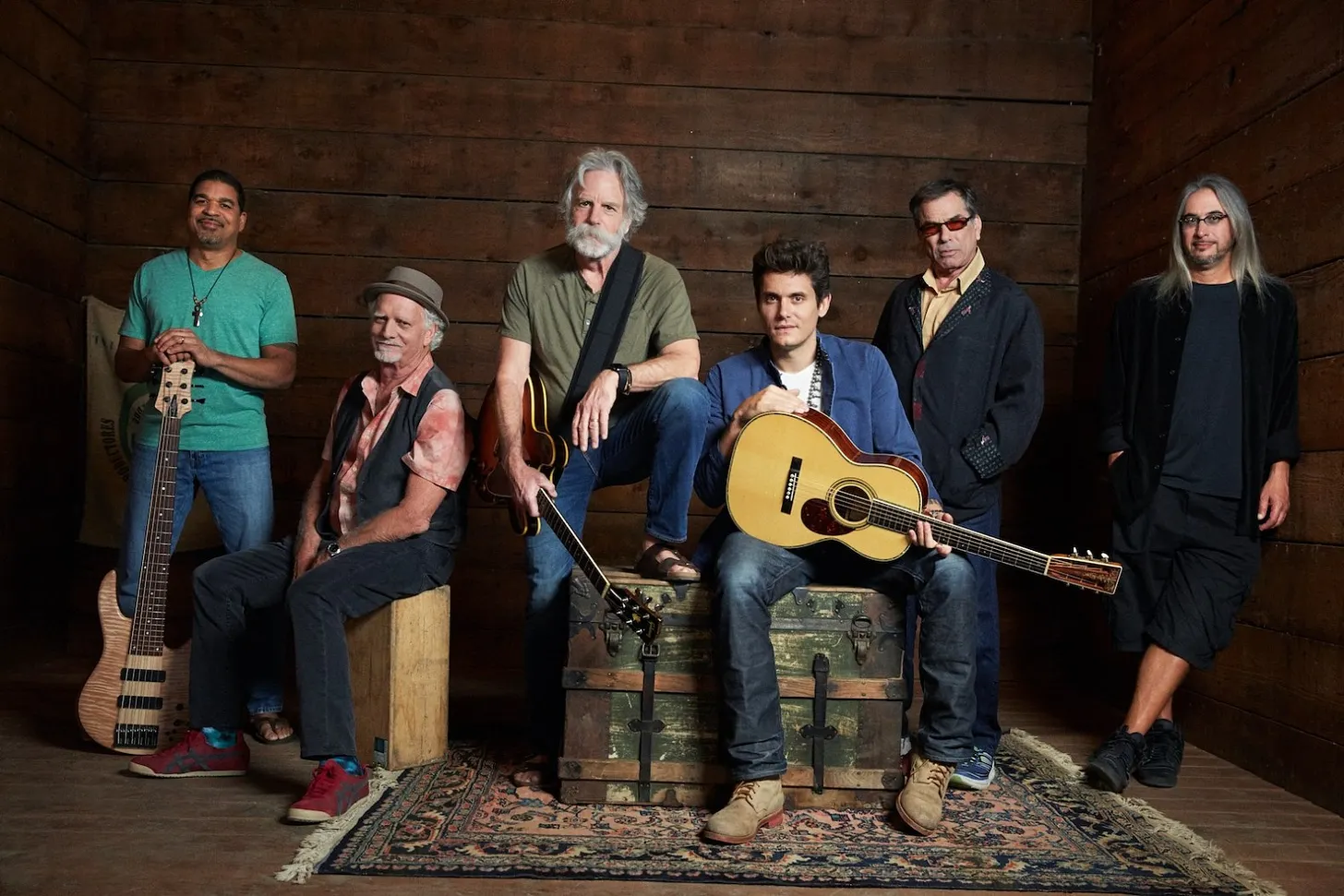
Mayer has repeatedly expressed his desire to keep the music alive, and many observers believe he will play a central role in whatever comes next. Whether that involves a continuation of Dead & Company, a new ensemble, special performances, or another creative direction entirely remains unknown. What is clear is that the Grateful Dead catalog continues attracting musicians determined to preserve and expand its reach. The songbook remains far too powerful and influential to disappear.
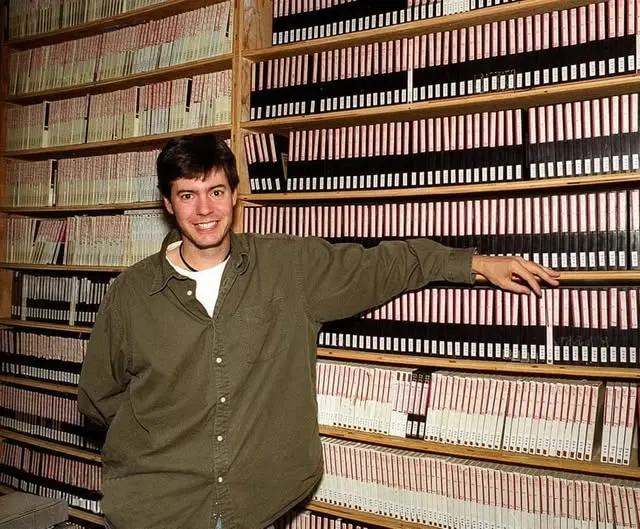
At the same time, the Grateful Dead’s remarkable archive continues producing new treasures for listeners. Few artists in history possess a live catalog as extensive or as meticulously preserved. Every week seems to uncover another hidden gem, another forgotten performance, another reminder of just how deep the band’s musical well truly runs. Much of that ongoing exploration is guided by archivist David Lemieux, whose stewardship of the Grateful Dead vault has become one of the most important roles within the extended Dead universe.
Lemieux’s weekly releases have become essential listening for collectors and casual fans alike. This week’s featured selection, a newly mastered version of “Feel Like A Stranger” from June 12, 1980 in Portland, Oregon, offers another glimpse into one of the band’s strongest periods. The recording captures the Grateful Dead during the Brent Mydland era, a chapter increasingly appreciated for its energy, versatility, and musical ambition. Available only for a limited time before being replaced by another archival selection, the release continues the tradition of keeping the vault active rather than allowing it to become a static museum.
The significance of these weekly releases extends beyond the recordings themselves. They reinforce one of the central truths about the Grateful Dead experience: there is always more to discover. Even after decades of official releases, box sets, and archival projects, remarkable performances continue emerging from the collection. Each new release adds another piece to the larger puzzle, helping fans understand how the band evolved from year to year, tour to tour, and night to night.
Yet the Grateful Dead story has never been solely about preserving the past. The music has always thrived because each generation finds its own way to interpret it. Nowhere is that more apparent than in the thriving tribute scene that continues drawing audiences throughout the country.
The Philadelphia and South Jersey region remains one of the strongest Deadhead communities anywhere in America. Long after the original Grateful Dead stopped touring, the area continues supporting an extraordinary network of musicians dedicated to carrying the music forward. Among the most respected of these groups is Splintered Sunlight, a band that has spent decades building a reputation as one of the premier Grateful Dead tribute acts in the Northeast.
What separates bands like Splintered Sunlight from simple nostalgia acts is their understanding that the Grateful Dead were never about replication. The goal is not to recreate a recording note for note. The goal is to embrace the spirit of exploration that made the original band unique. Every performance becomes an opportunity to reinterpret familiar songs, discover new improvisational pathways, and create a shared experience between musicians and audience.
Whether performing lengthy electric sets in larger venues or intimate acoustic evenings that highlight the songwriting itself, these musicians play a crucial role in ensuring that the Grateful Dead tradition remains active rather than historical. Their audiences increasingly include younger fans who never had the opportunity to see the original band but have nevertheless found a home within the Deadhead community.
That generational continuity may ultimately be the most remarkable aspect of the Grateful Dead’s legacy. Few bands have successfully bridged so many eras while maintaining such a strong sense of identity. The music that emerged from San Francisco during the 1960s now belongs to listeners who were not yet born when Jerry Garcia, Bob Weir, Phil Lesh, Bill Kreutzmann, Mickey Hart, and Ron “Pigpen” McKernan first began building what would become one of the most influential musical movements in American history.
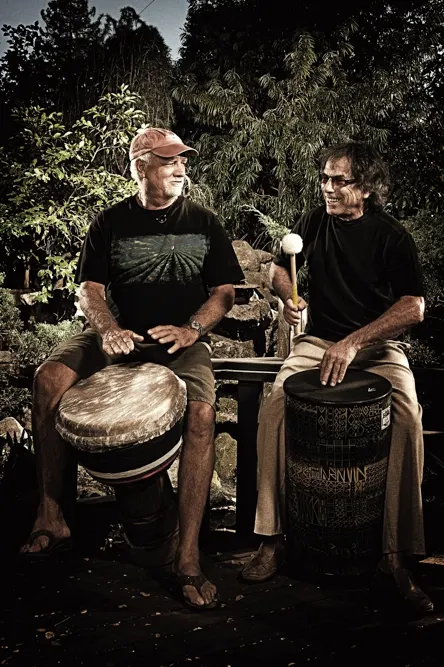
The surviving members continue contributing to that legacy in their own ways. Mickey Hart remains deeply engaged in archival work and global rhythmic projects, continuing the lifelong exploration of percussion and world music that has defined much of his career. Bill Kreutzmann, now the sole surviving co-founding member, remains a direct connection to the band’s earliest days. Their reflections and public tributes following Weir’s passing have resonated deeply throughout the community, serving as reminders of the personal bonds that existed beneath the music.
For fans, the current moment feels simultaneously reflective and forward-looking. There is a natural desire to celebrate the achievements of the past while also considering what comes next. The Grateful Dead have always challenged conventional notions of beginnings and endings. The music was never tied exclusively to any one lineup, venue, or era. Instead, it exists as an evolving conversation that continues finding new participants.
Tonight’s edition of Don’s Pick places the spotlight squarely on the June 19, 1976 Capitol Theatre performance. For longtime Deadheads, it offers an opportunity to revisit one of the strongest shows of the post-hiatus era. For newer fans, it serves as a perfect introduction to a period that many collectors consider one of the band’s most musically rewarding.
Beyond the archival world, the Grateful Dead story continues evolving through modern projects and the musicians carrying the catalog forward. One of the most visible figures in that ongoing journey remains John Mayer, whose commitment to the music has earned widespread respect throughout the Deadhead community. Through his SiriusXM Grateful Dead Listening Party on Life with John Mayer, Mayer continues introducing fans to rare recordings, forgotten performances, and deeper corners of the Grateful Dead universe. Airing weekly on Channel 14, the program has become an important gathering place for listeners eager to explore the band’s vast catalog through a contemporary perspective.
At the same time, conversations about the future of Dead & Company continue throughout the fan community. Following the passing of Bob Weir, the long-term direction of the project remains one of the most discussed subjects in the Grateful Dead world. While no active tour dates have been announced, speculation continues regarding how the music may evolve in the years ahead. What remains certain is Mayer’s public commitment to preserving and performing the catalog, ensuring that the songs continue reaching new audiences.
The archival side of the Grateful Dead universe remains equally active. David Lemieux’s ongoing vault series continues delivering remarkable discoveries from the band’s immense collection of live recordings. This week’s featured stream highlights an unreleased June 12, 1980 soundboard performance, offering yet another example of how deep and endlessly fascinating the Grateful Dead archive remains.
Meanwhile, surviving members continue shaping the band’s legacy in different ways. Mickey Hart remains deeply involved in musical and archival projects, exploring global rhythms and preserving important elements of the Grateful Dead’s history. Bill Kreutzmann, the last surviving co-founding member, continues to serve as a direct link to the earliest days of the band’s remarkable journey. Their public tributes, reflections, and ongoing work underscore the enduring impact of a musical community that extends far beyond any single lineup or era.
As listeners tune in to Don’s Pick tonight and revisit the magic of June 19, 1976, they will hear far more than a great concert. They will hear a band at a creative peak, rediscovering itself and embracing a new chapter with confidence and imagination. They will hear the sound of musicians listening deeply to one another, taking risks, and creating something that continues to resonate nearly fifty years later.
Most importantly, they will hear why the Grateful Dead remain one of the most celebrated live acts in music history. The songs endure. The recordings continue to reveal new treasures. The community remains vibrant. And performances like the Capitol Theatre show remind us that some nights never truly end.
The music, after all, never stopped.