The Grateful Dead have spent more than six decades doing something few artists ever achieve. They have transcended the traditional boundaries of a rock band and evolved into a living cultural institution. While many legendary acts are remembered primarily through classic albums or historic tours, the Grateful Dead continue to grow through archival discoveries, family-led projects, museum exhibitions, orchestral interpretations, collector releases, and an ever-expanding community determined to ensure the music remains alive for generations to come.
That ongoing evolution is perhaps best illustrated by the extraordinary collection of projects unfolding across the Grateful Dead universe in 2026. From major anniversary reissues and museum-quality photography exhibitions to symphonic performances and newly unearthed recordings from the vault, the story of the Grateful Dead remains as active today as it was during the band’s most celebrated touring years.
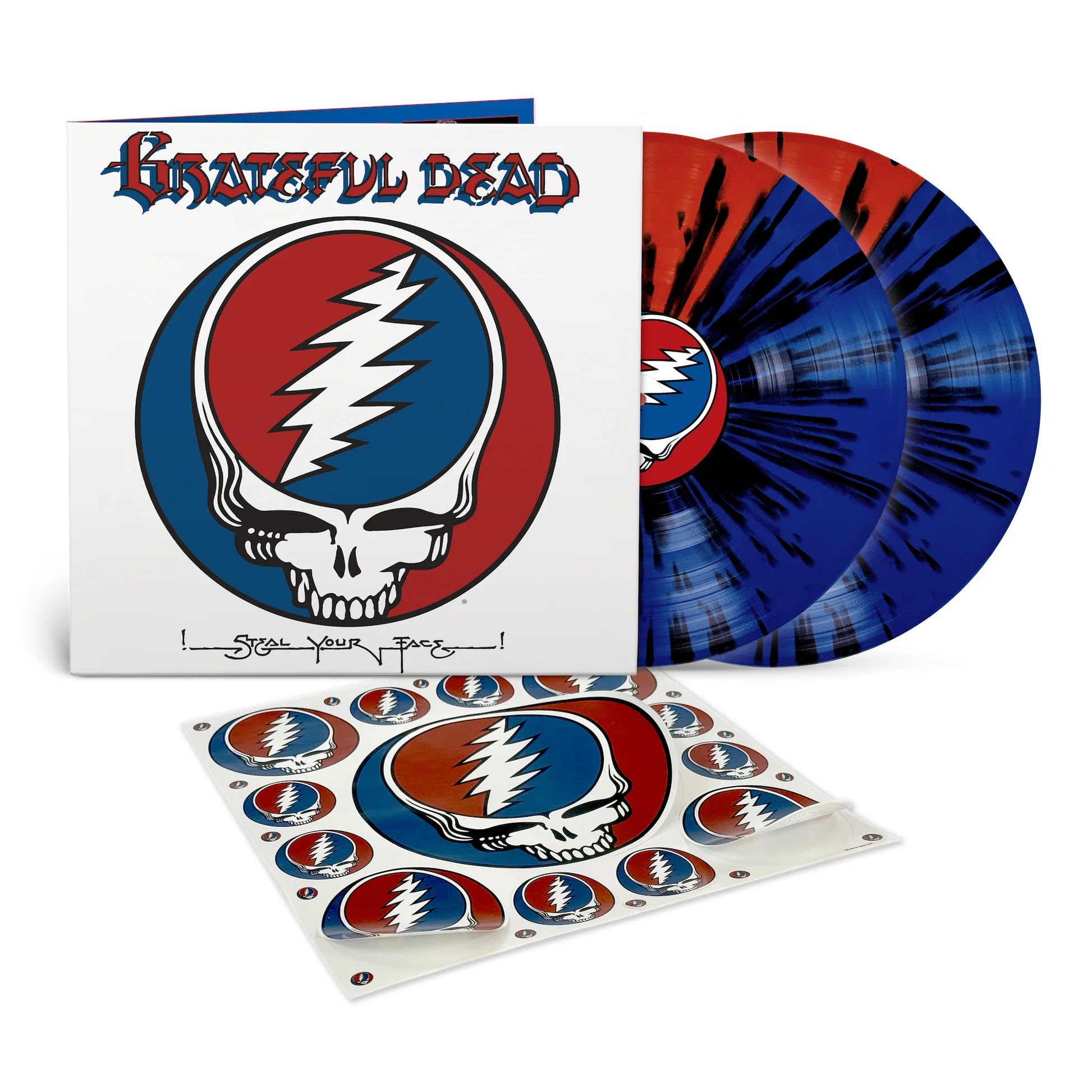
Among the most anticipated developments is the comprehensive 50th-anniversary restoration of Steal Your Face, one of the most misunderstood and debated albums in the Grateful Dead catalog. Originally released in 1976 but recorded during the band’s famous October 1974 “retirement” performances at Winterland Ballroom in San Francisco, the album has long occupied a unique place in Deadhead discussions. While many fans appreciated the historical significance of the recordings, others felt the original release never fully captured the power and atmosphere of the performances themselves.
Five decades later, that criticism is finally being addressed through an ambitious restoration project designed to reveal the album in an entirely new light. Utilizing advanced tape restoration technology and fresh mastering work, the new edition seeks to present the Winterland recordings with a level of clarity, depth, and sonic detail unavailable on previous releases. Early previews have already generated excitement throughout the Deadhead community, particularly newly restored versions of “Big River” and “Black-Throated Wind,” which showcase a level of separation and warmth that many listeners never thought possible from these recordings.
For vinyl collectors, the anniversary edition is as much a visual celebration as it is an audio upgrade. Pressed on specially designed translucent vinyl utilizing custom color formulations inspired by the iconic Steal Your Face imagery, the release embraces the visual language that has become inseparable from the Grateful Dead brand. Combined with expanded liner notes and historically detailed packaging, the project serves as both a collector’s item and an important archival release that reintroduces an often-overlooked chapter of Grateful Dead history.
The renewed interest in the band’s visual legacy extends far beyond record collecting.
In New York City, a major exhibition titled An American Beauty: Grateful Dead 1965–1995 is providing visitors with an immersive journey through three decades of Grateful Dead history. Curated by legendary photographer Jay Blakesberg alongside his daughter Ricki Blakesberg, the exhibition transforms decades of photography into a sweeping visual narrative that traces the evolution of the band, its audience, and the larger cultural movement that emerged around it.
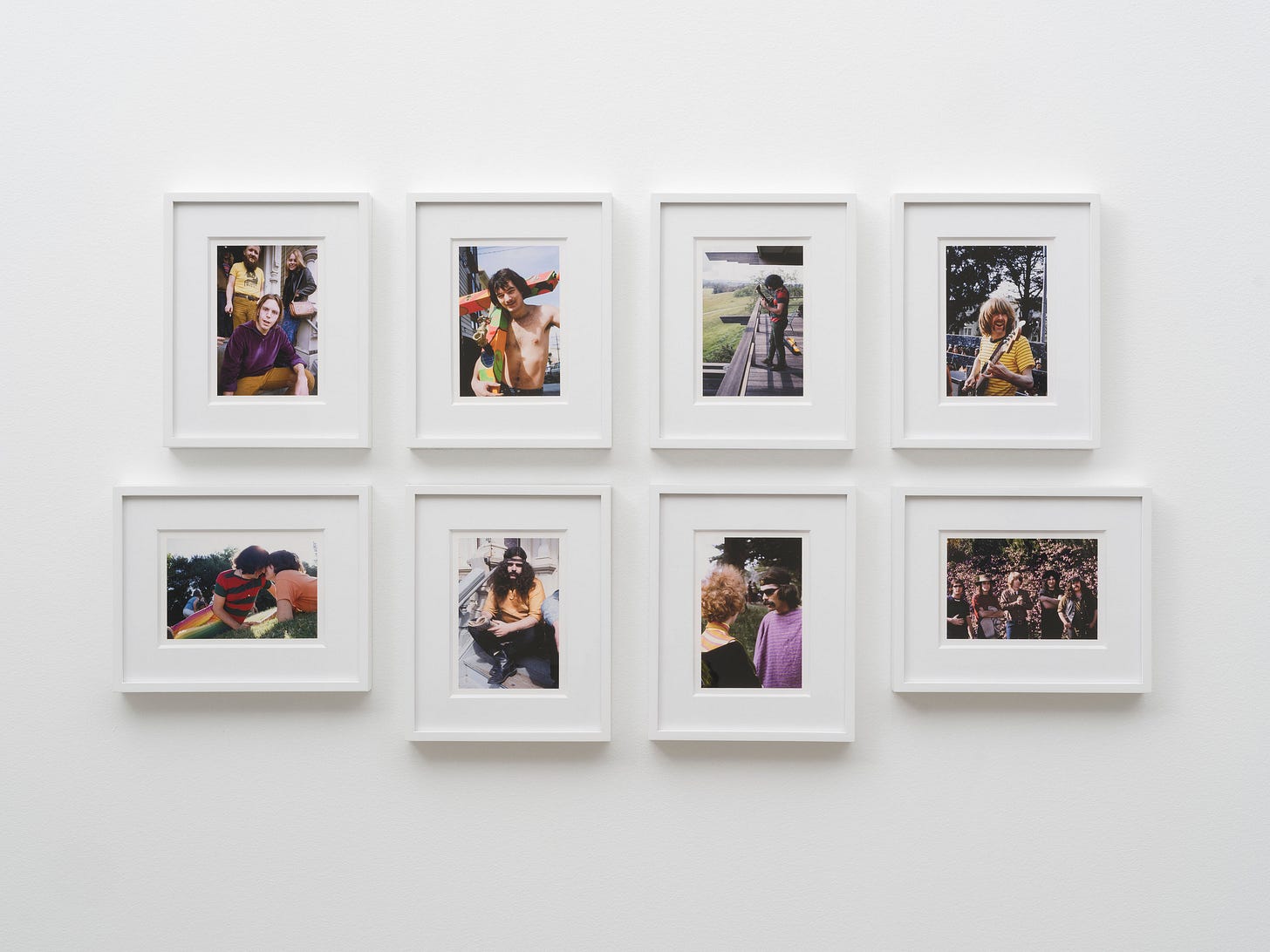
What makes the exhibition particularly compelling is its willingness to move beyond familiar imagery. While visitors will encounter iconic photographs from the Haight-Ashbury era, landmark concerts, and major moments throughout the band’s career, the collection also highlights intimate and previously unseen material. Backstage photographs, dressing-room interactions, candid portraits of Jerry Garcia, and extensive documentation of Deadhead culture provide a more complete picture of the world surrounding the band.
The exhibition arrives during a period of reflection for many fans and serves as a reminder that the Grateful Dead experience was never limited to the stage alone. The community, the culture, the friendships, the road trips, and the shared experiences became as important as the music itself. Through photography, visitors are able to witness the evolution of one of the most devoted fan communities in modern music history.
While archival projects continue preserving the past, musicians throughout the extended Grateful Dead family remain focused on ensuring the music continues evolving in the present.
One of the most fascinating examples is the return of the Jerry Garcia Symphonic Celebration. Set against the scenic backdrop of Tanglewood in Lenox, Massachusetts, the project once again explores the intersection between orchestral composition and improvisational rock music. The performances feature the Boston Pops Orchestra interpreting selections from the Jerry Garcia and Robert Hunter songbook, creating a remarkable fusion of classical precision and Grateful Dead spontaneity.
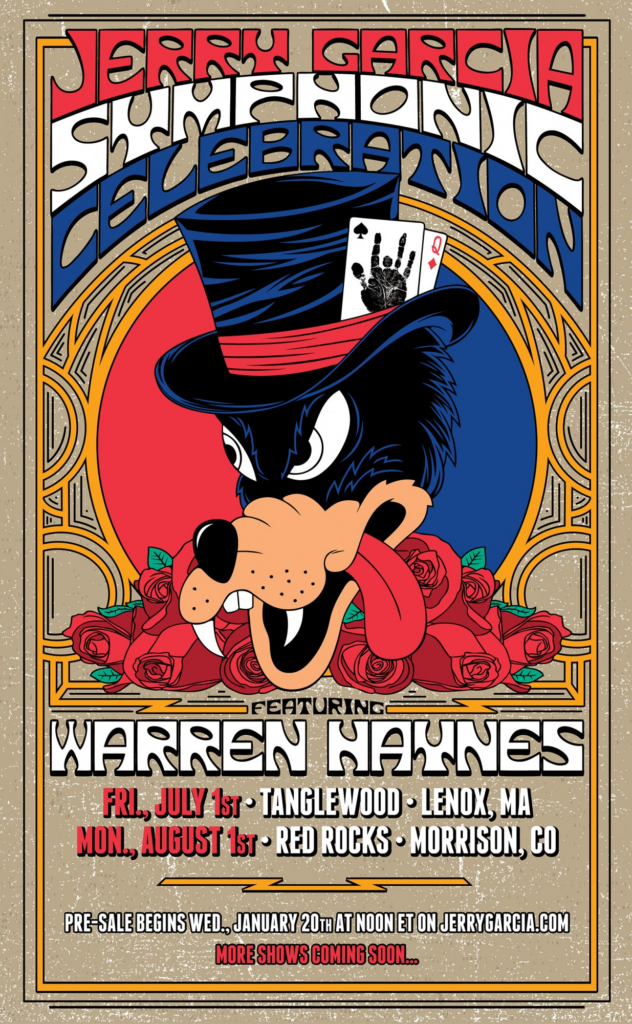
What distinguishes these performances from traditional orchestral tributes is the presence of musicians who helped shape the original music itself. Longtime Jerry Garcia Band keyboardist Melvin Seals and vocalist Jacklyn LaBranch bring an authenticity that extends beyond nostalgia. Their participation ensures that the soulful, gospel-inspired energy that characterized so much of Garcia’s solo work remains fully intact even within a symphonic setting.
The result is not a recreation of Jerry Garcia Band performances, nor is it simply an orchestra playing Grateful Dead songs. Instead, it becomes a unique conversation between two musical traditions, demonstrating the remarkable flexibility and durability of compositions that continue finding new life in unexpected environments.
On a more grassroots level, the spirit of exploration remains alive through the Terrapin Roadshow. Led by Grahame Lesh, the son of Phil Lesh, the project continues expanding across regional venues while maintaining a commitment to the collaborative energy that made Terrapin Crossroads such a beloved gathering place for musicians and fans.
Unlike conventional tribute tours, the Terrapin Roadshow functions as a rotating collective of performers drawn from throughout the extended San Francisco music community. Every performance emphasizes spontaneity, deep cuts, unexpected transitions, and the type of risk-taking improvisation that has always defined the Grateful Dead tradition. Rather than focusing on greatest hits, the Roadshow celebrates the deeper corners of the catalog while encouraging musicians to engage with the material in fresh and creative ways.
For many younger fans, projects like the Terrapin Roadshow provide a direct connection to the values that made the Grateful Dead unique. They reinforce the idea that the music remains a living art form rather than a historical artifact.
At the same time, the Grateful Dead vault continues producing extraordinary discoveries.
One of the most exciting archival releases currently available for pre-order captures the band at a pivotal moment in its development. The July 3, 1966 Fillmore Auditorium performance transports listeners back to the era when the Grateful Dead were transitioning from their earliest rhythm-and-blues foundations into the psychedelic experimentation that would define their future.
The recording offers a rare opportunity to hear the group during its formative years, with Ron “Pigpen” McKernan’s blues influence still occupying a central role in the band’s sound. Fast tempos, garage-rock intensity, and embryonic versions of future classics reveal a group still discovering its identity while simultaneously laying the foundation for one of the most influential musical journeys in American history.
For longtime collectors, the release represents more than another live album. It is a historical document that captures the moment when the Grateful Dead began evolving into the band the world would eventually come to know.
The vault exploration does not stop there. The weekly Taper’s Section series continues introducing fans to remarkable performances from every era of the band’s history. Recent selections have focused heavily on the often-underappreciated mid-1980s period, including a standout June 27, 1984 performance from Merriweather Post Pavilion in Maryland.
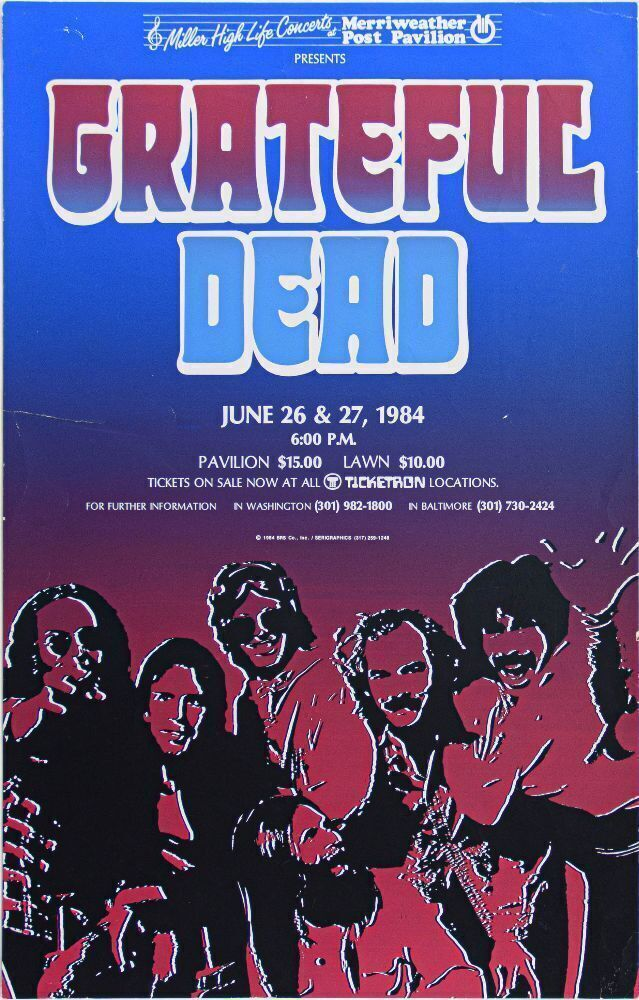
The show has long been prized among collectors for its distinctive Brent Mydland-era sound, energetic pacing, and emotional depth. Highlights include a powerful “Wharf Rat” and a second set that perfectly captures the gritty, aggressive edge that defined much of the Grateful Dead’s mid-1980s output. By continually revisiting these lesser-discussed eras, the archival team reinforces an important truth: every period of Grateful Dead history contains hidden treasures waiting to be rediscovered.
Taken together, these projects reveal something extraordinary about the current state of the Grateful Dead universe. Few artists maintain this level of activity decades after their most active years. Fewer still continue generating meaningful cultural conversations through such a diverse range of mediums.
The Grateful Dead are no longer simply being remembered. Their recordings are being restored. Their photographs are being exhibited. Their songs are being reinterpreted by orchestras. Their family members are carrying forward the tradition through touring projects. Their archives continue producing new discoveries. Their community continues expanding across generations.
Perhaps that is the most fitting tribute to a band that always believed music should remain alive, fluid, and constantly evolving. The Grateful Dead never viewed songs as finished products. They viewed them as starting points for exploration.
More than sixty years after the journey began, that exploration continues in concert halls, museums, archives, record stores, theaters, streaming platforms, and festival grounds across the world.
The music remains alive. The story continues growing. And for Deadheads everywhere, the next great discovery may be just around the corner.
Unbroken Chains, Open Vaults, and the Next Generation: How the Grateful Dead Universe Continues Expanding Across Music, Family, Philanthropy, and Preservation. The Grateful Dead have always existed differently from every other band in American music. Long after record sales, chart positions, and touring cycles fade into history, the Grateful Dead continue operating as something far larger than a rock band. They are a living cultural institution built upon music, community, improvisation, preservation, and an ongoing commitment to exploration. More than sixty years after the band’s formation, that legacy remains not only intact but remarkably active, with family members, archivists, musicians, foundations, photographers, and fans all contributing to an ever-evolving story that shows no signs of slowing down.
Nowhere is that more evident than in the continued efforts surrounding the legacy of Phil Lesh. Since Phil’s passing in October 2024 at age 84, his family and estate have undertaken a carefully orchestrated effort to preserve not only his music but also the unique philosophy he brought to every stage he ever stepped onto. Rather than treating Phil’s contributions as historical artifacts, the family has focused on creating opportunities for new generations to experience the adventurous spirit that defined his approach to music.
At the center of those efforts is the growing Unbroken Chain concert series, which has rapidly become one of the most important legacy initiatives in the modern Grateful Dead community. Initially rooted in performances at the Capitol Theatre, a venue deeply connected to Phil’s later career, the series has expanded significantly, reaching new audiences while maintaining the exploratory spirit that made Phil Lesh & Friends such a beloved institution among Deadheads.
Under the guidance of Grahame Lesh, the concerts have expanded westward into multi-night celebrations at San Francisco’s legendary Fillmore Auditorium. These performances are intentionally designed to avoid becoming conventional tribute concerts. Instead, they embrace the same open-ended philosophy that defined Phil’s approach to live music for decades. Rotating lineups, unexpected collaborations, evolving arrangements, and extended improvisation remain central components of every performance. The goal is not to recreate the past but to continue the conversation.
That philosophy has become a recurring theme throughout the Grateful Dead universe in 2026. Rather than preserving the music behind glass, the community continues finding ways to keep it alive through active performance, reinterpretation, and discovery.
The launch of the Phil & Friends Radio Show represents another significant step in that direction. Featured tonight on The Grateful Dead Live Radio Network, the program serves as a deep exploration of Phil Lesh’s extraordinary post-Grateful Dead career. While many archival projects naturally focus on the classic Grateful Dead years, the Phil & Friends Radio Show shines a spotlight on the remarkable body of work Phil created during the decades that followed.
The show’s format reflects the very qualities that made Phil’s musical projects so compelling. Through carefully curated live recordings drawn from countless Phil & Friends lineups, listeners experience how different combinations of musicians continually transformed familiar material. Guitarists, keyboardists, drummers, and vocalists rotated in and out of the ensemble, creating dramatically different interpretations of the same songs from night to night. The result was a constantly evolving musical laboratory where improvisation remained the guiding principle.
For younger fans who never had the opportunity to witness Phil’s later projects firsthand, the radio show serves as both an educational resource and a celebration of one of the most creative chapters of his career. It highlights the ways in which Phil continued pushing the Grateful Dead songbook forward long after the original band ceased touring.
Preservation, however, extends beyond music alone.
The Unbroken Chain Foundation, led by Phil’s widow Jill Lesh alongside their children, has undergone a significant evolution of its own. Rather than limiting its focus to music-related initiatives, the foundation has expanded its commitment to long-term community impact through a variety of charitable programs. Recent initiatives have supported organizations including the Bay Area Women’s and Children’s Center, Save the Redwoods League, and Seeds of Learning, reflecting the family’s broader commitment to environmental stewardship, education, and community support.
Equally important is the foundation’s integration with ongoing concert activity. Proceeds from tribute performances and special events continue helping support organizations such as MusiCares and the Sweet Relief Musicians Fund, providing direct assistance to working musicians facing medical and financial challenges. In many ways, these efforts reflect the same community-first philosophy that always distinguished the Grateful Dead from their contemporaries.
Meanwhile, Grahame Lesh continues emerging as one of the most visible figures carrying the family’s musical legacy forward. Beyond his work with the Unbroken Chain series and the Terrapin Roadshow, Grahame recently drew attention through his upcoming appearance with Little Feat during their highly anticipated Last Farewell Tour. Scheduled for a major performance at Oakland’s Fox Theater, the collaboration represents another symbolic passing of the torch between generations of musicians whose careers have been intertwined through decades of shared history and mutual influence.
While live performance remains central to the Grateful Dead experience, the archival side of the community continues delivering remarkable discoveries as well.
Rhino Records is preparing one of the most anticipated reissues of the year with a comprehensive 50th-anniversary edition of Steal Your Face. Originally assembled from performances during the Grateful Dead’s famous 1974 Winterland farewell run, the album has long occupied a unique place in the band’s catalog. Though historically debated among collectors due to the limitations of its original production, the new edition promises to reveal the recordings with unprecedented clarity through advanced tape restoration and fresh mastering work.
Collectors will be especially excited by the attention devoted to the physical presentation. The anniversary edition arrives as a heavyweight double-vinyl release featuring custom “Grateful Red” and “Stealie Blue” translucent vinyl infused with black splatter effects inspired by the iconic lightning-bolt imagery that has become synonymous with the Grateful Dead brand. Early preview releases of “Big River” and “Black-Throated Wind” have already generated significant enthusiasm among fans eager to hear the improved sound quality.
The Grateful Dead’s visual legacy is also receiving renewed attention through a major exhibition opening in New York City. An American Beauty: Grateful Dead 1965–1995 presents a sweeping photographic retrospective documenting the band’s extraordinary thirty-year journey. Curated by renowned photographer Jay Blakesberg and his daughter Ricki, the exhibition offers visitors a rare opportunity to experience the Grateful Dead story through hundreds of intimate visual moments.
Beyond the expected iconic concert photographs, the exhibition includes numerous rarely seen images capturing backstage interactions, candid moments, audience culture, and the evolution of the Deadhead community itself. For many visitors, the photographs serve as a reminder that the Grateful Dead experience extended far beyond the stage and helped create one of the most dedicated fan communities in music history.
The music itself continues finding new audiences through innovative presentations as well. One of the most fascinating examples is the return of the Jerry Garcia Symphonic Celebration, which brings Garcia and Robert Hunter’s compositions into the orchestral world. This year’s performances at Tanglewood pair the Boston Pops Orchestra with key members of the original Jerry Garcia Band, including Melvin Seals and Jacklyn LaBranch.
The result is far more than a simple orchestral accompaniment project. By combining full symphonic arrangements with musicians who performed directly alongside Garcia, the concerts create a unique bridge between classical structure and improvisational freedom. It is another example of how the Grateful Dead songbook continues adapting to new formats while remaining true to its essential character.
At the grassroots level, Grahame Lesh’s Terrapin Roadshow continues carrying the music into clubs, theaters, and outdoor venues throughout the West. Inspired by the spirit of Terrapin Crossroads, the project emphasizes collaboration, spontaneity, and deep musical exploration. Rather than functioning as a traditional touring act, the Roadshow operates as a rotating collective where songs evolve nightly and unexpected musical connections emerge naturally.
For collectors and tape-trading enthusiasts, perhaps the most exciting archival announcement involves the official release of the Grateful Dead’s July 3, 1966 Fillmore Auditorium performance. Capturing the band during the crucial transition from their early Warlocks roots into the psychedelic experimentation that would define their future, the recording provides an extraordinary glimpse into one of the most important periods of the band’s development. Featuring Ron “Pigpen” McKernan’s blues-driven influence alongside the band’s emerging improvisational instincts, the release serves as a powerful reminder of just how far the Grateful Dead traveled over the course of their career.
The digital archive continues expanding as well. Recent Taper’s Section updates have focused on the often-overlooked mid-1980s period, including a particularly energetic performance from June 27, 1984, at Merriweather Post Pavilion. Long appreciated by serious collectors, the show captures the distinctive energy of the Brent Mydland era and demonstrates the remarkable depth that still exists within the Grateful Dead vault.
Taken together, these developments tell a larger story. The Grateful Dead are no longer simply a band being remembered. They are a musical tradition actively being preserved, expanded, reinterpreted, and passed forward. Through family-led initiatives, archival releases, charitable foundations, museum exhibitions, orchestral adaptations, tribute performances, and radio programs like tonight’s Phil & Friends Radio Show, the legacy continues growing in ways few could have imagined decades ago.
The names may change. The lineups may evolve. New musicians may step forward while others become part of history. Yet the underlying philosophy remains remarkably consistent. Curiosity. Community. Improvisation. Exploration. Connection.
Phil Lesh spent his entire career proving that music could be a living conversation rather than a fixed destination. Looking across everything happening throughout the Grateful Dead universe today, it is clear that conversation is still unfolding—and it remains every bit as vibrant, adventurous, and inspiring as ever.