Few bands in American music history have created a timeline as rich, expansive, and interconnected as the Grateful Dead. Their story stretches across multiple generations, countless tours, evolving lineups, changing musical landscapes, and an enduring community that continues finding new ways to celebrate the music decades after the band’s earliest performances. Every date on the calendar seems to carry some level of significance for Deadheads, but June 11 occupies a particularly fascinating place within the broader Grateful Dead universe.
Over the years, June 11 has become associated with landmark performances spanning multiple eras of Grateful Dead history. From the band’s celebrated return period during the mid-1970s to the modern resurgence of Dead & Company in sold-out stadiums across America, the date serves as an unexpected thread connecting the past, present, and future of one of the most influential live music institutions ever assembled.
The story begins in 1976, a year many longtime fans consider one of the most musically sophisticated chapters in Grateful Dead history. Following an extended hiatus from touring, the band returned with a noticeably refined sound. The improvisation remained adventurous, but the approach became more measured, nuanced, and deliberate. Rather than relying solely on explosive energy, the Grateful Dead embraced patience, dynamics, and intricate musical conversation.
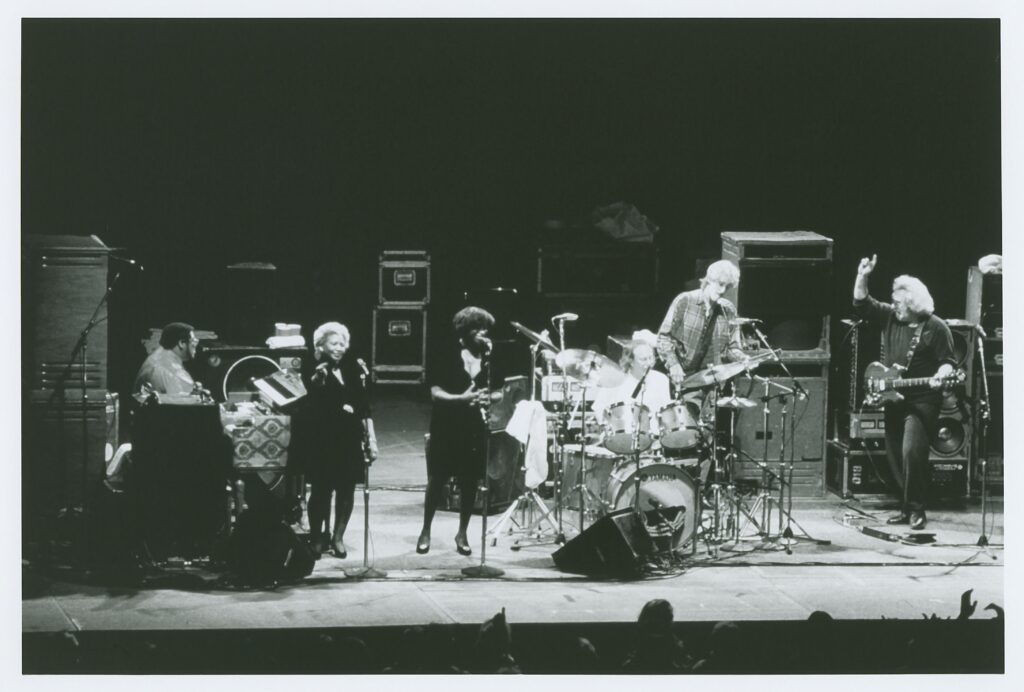
June 11, 1976, at the Boston Music Hall remains one of the defining performances from that remarkable comeback period. The concert has earned legendary status among collectors and listeners for its elegance, musicianship, and beautifully constructed setlist. Recorded by the legendary Betty Cantor-Jackson, the performance captures a band fully reenergized and operating at an extraordinarily high level.
What makes the Boston Music Hall show so enduring is its balance between discipline and spontaneity. The Grateful Dead had spent nearly a year away from the relentless touring schedule that defined much of their earlier career. The time off allowed them to rethink arrangements, strengthen vocal harmonies, and develop a more sophisticated collective approach to improvisation. By the time they arrived in Boston, the results were undeniable.
Nearly fifty years later, the performance remains a touchstone for fans exploring the unique magic of 1976. It represents a period when the Grateful Dead were simultaneously looking backward at everything they had accomplished and forward toward the next phase of their evolution. The show continues circulating among collectors and remains one of the most frequently discussed performances from the post-hiatus era.
Fast forward several decades and June 11 once again became an important date in the extended Grateful Dead timeline, this time through the remarkable success of Dead & Company.
When Dead & Company launched, opinions varied across the fan community. Some wondered whether another iteration of Grateful Dead music could truly capture the spirit of the original experience. Others questioned whether younger musicians could successfully navigate a songbook built upon improvisation, chemistry, and decades of shared musical language. Over time, however, those doubts gradually faded as the project evolved into one of the most successful touring acts in modern music.
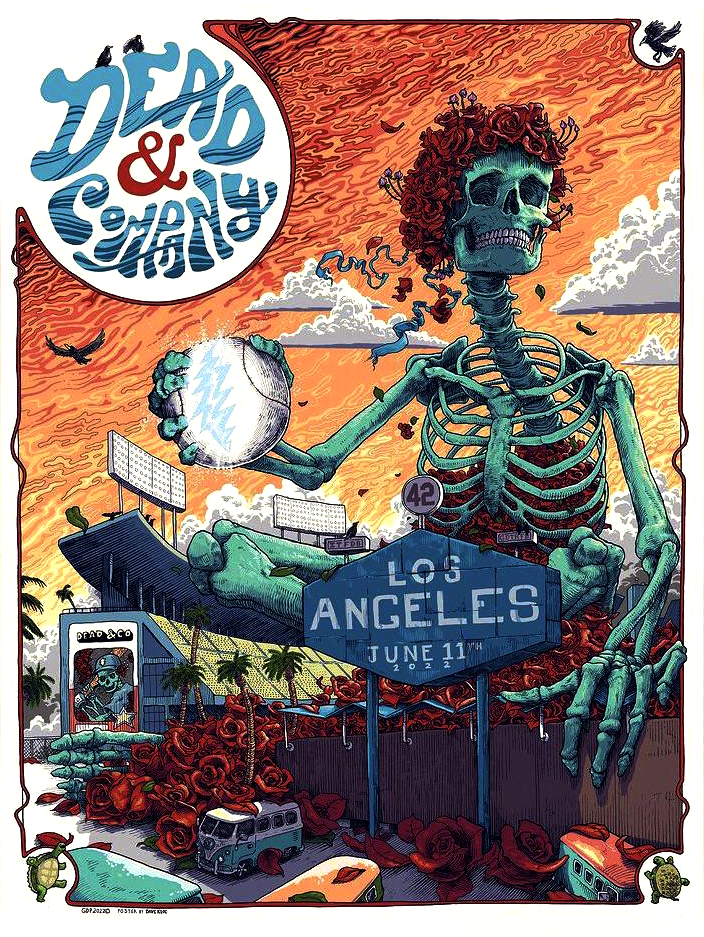
On June 11, 2022, Dead & Company opened their summer tour at Dodger Stadium in Los Angeles, launching another season of large-scale performances that demonstrated the continued demand for Grateful Dead music in the modern era. The lineup featuring Bob Weir, John Mayer, Mickey Hart, Bill Kreutzmann, Oteil Burbridge, and Jeff Chimenti delivered a performance that balanced faithful interpretations with fresh musical ideas.
Opening with “Let the Good Times Roll,” the band immediately established an atmosphere of celebration. For many attendees, the evening felt less like a traditional concert and more like a continuation of a cultural tradition that had been evolving for generations. The first-set closing “Casey Jones” provided one of the night’s major highlights, reminding audiences why the song remains one of the most recognizable entries in the Grateful Dead catalog.
What stood out most about the 2022 performance was the confidence of the ensemble itself. By that point, Dead & Company had developed its own identity. The group was no longer viewed simply as a continuation project but as a legitimate musical force capable of delivering meaningful interpretations of the material while introducing it to newer audiences.
Exactly one year later, June 11 once again carried significance.
On June 11, 2023, Dead & Company arrived at Citizens Bank Park in Philadelphia as part of what was being promoted as the band’s celebrated Final Tour. The atmosphere surrounding the performance carried a different emotional weight. Fans understood they were witnessing one of the final chapters of a project that had exceeded virtually every expectation.
The Philadelphia performance became one of the most talked-about stops of the tour, drawing a massive audience and reinforcing the remarkable connection Dead & Company had built with fans throughout its run. The success of the Final Tour demonstrated something that had become increasingly obvious: the Grateful Dead songbook remained as powerful and relevant as ever.
What connected all three June 11 milestones was not simply the music itself but the community surrounding it.
Whether discussing the intimate beauty of the Boston Music Hall in 1976 or the packed stadium crowds of Los Angeles and Philadelphia decades later, the underlying story remains remarkably consistent. The Grateful Dead experience has always been about more than concerts. It is about shared discovery, collective participation, improvisational exploration, and a culture that continuously regenerates itself through new listeners and new performers.
That cultural continuity remains visible throughout the modern Grateful Dead landscape. Archival releases continue introducing fans to historic performances. Tribute bands bring the music to local venues around the country. Festival gatherings attract multiple generations of Deadheads. New musicians continue finding inspiration within the catalog. Every year, the community expands while maintaining a deep connection to its roots.
Perhaps nowhere is that continuity more evident than in the projects formed by surviving members after the passing of Jerry Garcia.
Following Garcia’s death in 1995, many observers assumed the Grateful Dead story had reached its conclusion. Instead, it entered an entirely new chapter. The surviving members continued creating music through a variety of projects that explored different aspects of the Grateful Dead legacy while allowing individual artistic growth.
Those post-Garcia projects remain the focus of Fare Thee Well, the beloved radio program dedicated to celebrating the music created by former Grateful Dead members after the original band’s final performances. The show serves as a bridge connecting multiple generations of listeners while highlighting the remarkable diversity of music produced in the years following Garcia’s passing.
From The Other Ones and The Dead to RatDog, Phil Lesh & Friends, Furthur, Dead & Company, and countless collaborations in between, Fare Thee Well chronicles a period of musical history that often receives less attention than the original Grateful Dead years but remains equally important to understanding the band’s lasting impact.
Tonight’s edition of Fare Thee Well continues that mission by celebrating the artists, performances, and projects that carried the music forward after 1995. For longtime fans, it serves as a reminder that the Grateful Dead’s story did not end with the loss of Garcia. For newer listeners, it offers a fascinating exploration of how the music evolved across multiple generations of musicians and audiences.
Looking back across the decades, June 11 serves as a remarkable snapshot of the Grateful Dead’s enduring legacy. The Boston Music Hall performance captures the band’s artistic rebirth during one of its most creative periods. The Dead & Company shows in Los Angeles and Philadelphia demonstrate the continued vitality of the catalog in front of modern audiences. Together, they tell a larger story about a body of work that continues finding new life across generations.
The venues may change. The lineups may evolve. The decades may pass.
Yet the songs continue connecting people, inspiring musicians, and creating communities in ways few artists have ever achieved.
That is why June 11 remains such a meaningful date within the Grateful Dead universe. It is not simply a collection of anniversaries. It is a reminder that the music continues moving forward, finding new audiences while honoring the journey that began so many years ago.
For a band built around exploration, that may be the most fitting legacy of all.