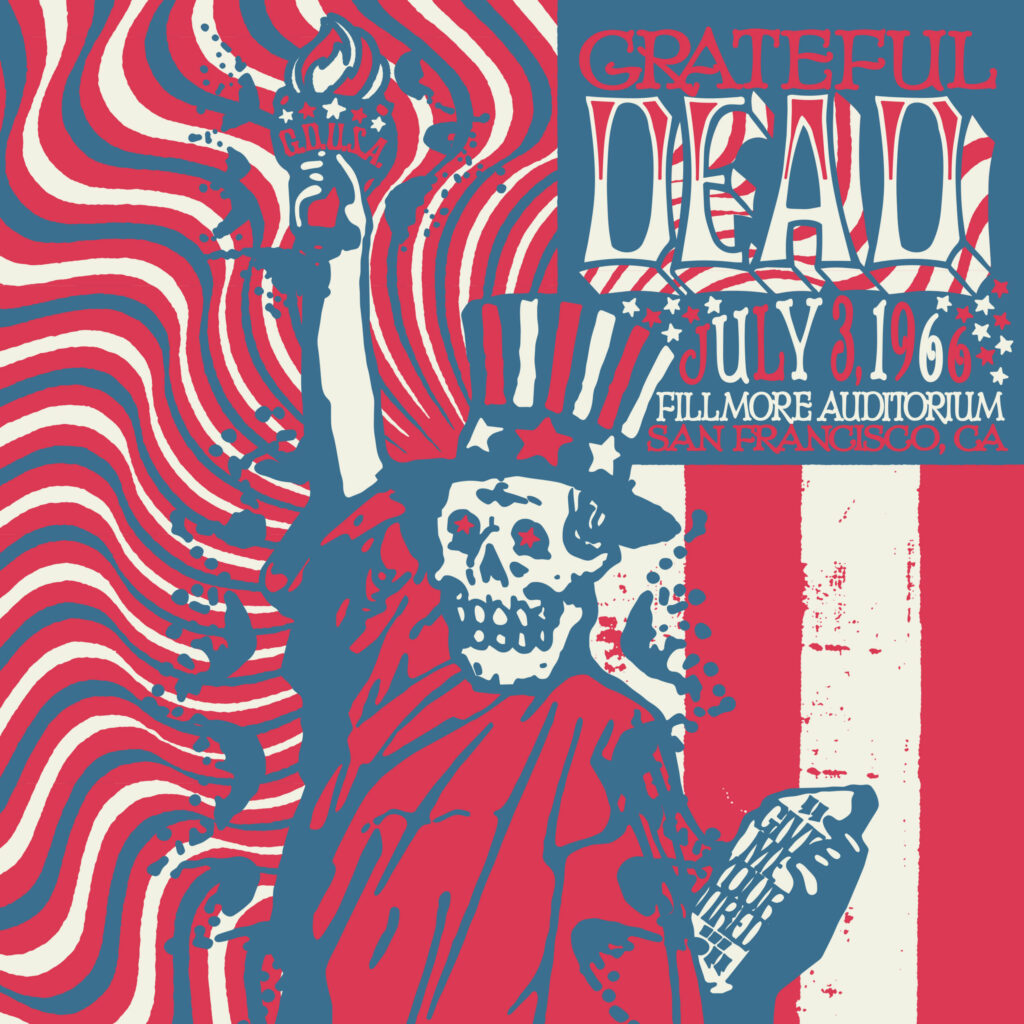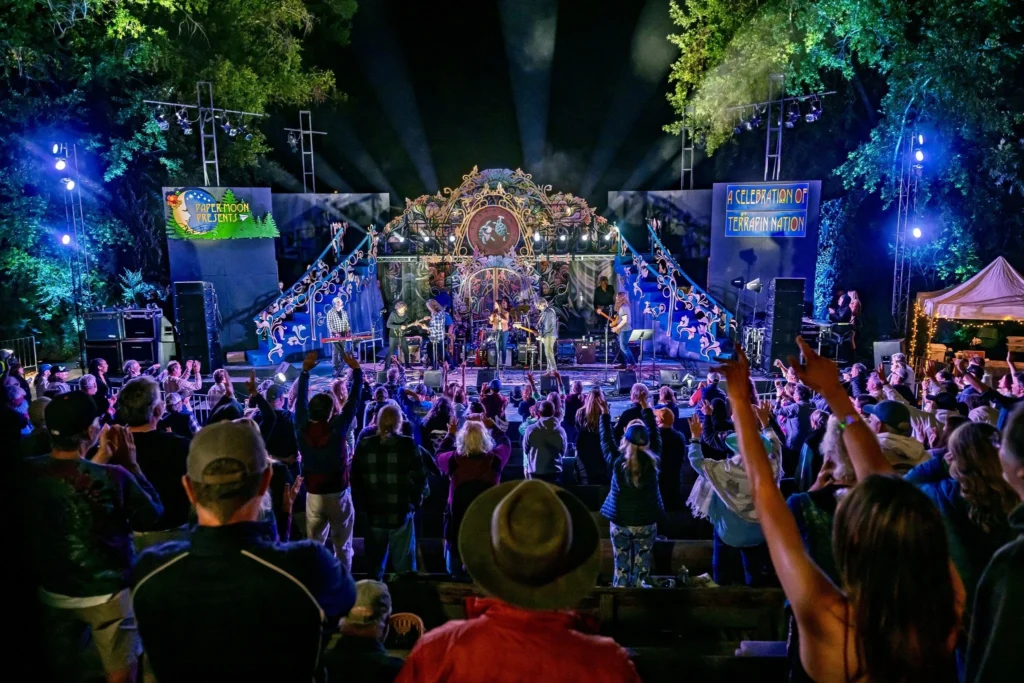
The modern Grateful Dead universe has evolved far beyond the idea of simple nostalgia. What once centered around a single band touring endlessly across America has transformed into one of the most expansive and culturally adaptive live music communities anywhere in the world. The Grateful Dead songbook now exists simultaneously inside amphitheaters, symphony halls, underground clubs, academic institutions, tribute festivals, improvisational collectives, multimedia art spaces, grassroots cultural movements, and an entirely new generation of touring musicians who continue interpreting the catalog through fresh creative lenses. In 2026, that ongoing evolution is accelerating in ways few could have imagined decades ago, and one of the most talked-about examples emerging from the current Dead-inspired scene is the explosive rise of BERTHA: Grateful Drag, a project redefining what a Grateful Dead tribute act can represent in modern American culture.
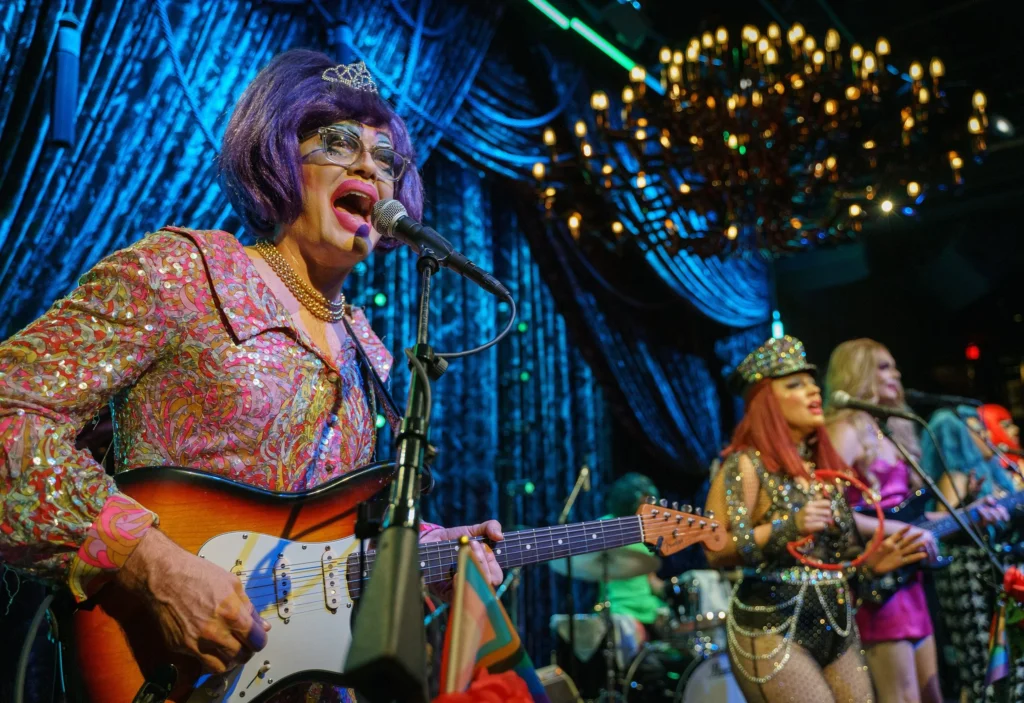
At first glance, BERTHA: Grateful Drag immediately stands apart visually from virtually every other band operating inside the broader jam-band and tribute ecosystem. Built around a collective of elite Nashville-area touring musicians performing entirely in vibrant drag presentation — complete with elaborate costumes, towering wigs, theatrical makeup, and high-energy stage personas — the group has quickly become one of the most unique and emotionally resonant live acts currently emerging within the Deadhead world. But reducing BERTHA: Grateful Drag to visual spectacle alone fundamentally misses the point of what the band represents.
Musically, the group has earned widespread praise throughout the Grateful Dead community because the performances themselves are deeply serious, technically accomplished, improvisationally fearless, and rooted in a genuine understanding of the Grateful Dead’s live legacy. BERTHA: Grateful Drag is not parody. It is not novelty entertainment. It is a fully committed improvisational rock band channeling the spirit, unpredictability, and emotional intensity that have always defined the best Grateful Dead performances.
What makes the project especially compelling is how naturally it fits into the larger historical DNA of the Grateful Dead itself. The original Dead universe always embraced outsiders, counterculture communities, artistic experimentation, radical self-expression, and environments where individuality could exist without restriction. The modern incarnation of that spirit is now finding new expression through bands like BERTHA: Grateful Drag, whose performances combine musical exploration with direct cultural commentary and unapologetic theatrical identity.
The band was formed in East Nashville by a group of highly respected professional musicians who shared both a deep love for Grateful Dead improvisation and a desire to respond creatively to growing waves of anti-drag and anti-LGBTQ+ legislation spreading throughout parts of the American South. Rather than approaching activism through speeches or slogans alone, BERTHA: Grateful Drag built its response through live music itself — transforming the concert environment into a celebration of artistic freedom, inclusivity, performance art, and communal joy.
That philosophy has resonated powerfully throughout the larger Deadhead community, which historically has long operated around principles of openness, acceptance, personal expression, and social experimentation. The connection feels authentic because the Grateful Dead’s legacy was never solely about music. It was about creating temporary spaces where conventional rules loosened and people could experience freedom, connection, improvisation, and identity outside ordinary social structures.
BERTHA: Grateful Drag extends that tradition into a modern cultural context.
Musically, the band leans heavily into the Grateful Dead’s high-energy 1980s era, focusing on fast-paced exploratory jams, extended improvisational transitions, emotionally explosive crescendos, and dance-driven performance momentum. Their versions of classics like “Scarlet Begonias,” “Turn On Your Love Light,” and other fan-favorite Dead staples have become increasingly celebrated not only for their theatricality but for the sheer quality of the musicianship itself.
That musicianship matters because Deadhead audiences are notoriously discerning. Grateful Dead culture has always valued authenticity, improvisational chemistry, emotional communication, and risk-taking above image or presentation alone. Bands cannot survive in the scene based on aesthetics alone. They must deliver musically. The reason BERTHA: Grateful Drag has rapidly developed such a strong reputation is because the performances themselves reportedly reach the same emotional and improvisational spaces that longtime fans seek from any serious Dead-inspired act.
The live experience surrounding BERTHA: Grateful Drag performances also pushes beyond standard concert expectations. Guest drag performers frequently appear throughout the sets, incorporating choreographed dance routines, lip-sync performances, visual storytelling, crowd interaction, and theatrical interludes directly into the flow of the music. Rather than interrupting the improvisational momentum, these elements become integrated into the jam structures themselves, creating performances that blur the lines between rock concert, underground theater, improvisational happening, and communal celebration.
That immersive atmosphere reflects another key reason the Grateful Dead universe continues thriving while many legacy rock communities gradually fade into static nostalgia. The culture surrounding the Dead remains flexible enough to evolve alongside changing generations and new artistic voices. The music was never intended to remain frozen in time. Improvisation itself demands adaptation, reinterpretation, and reinvention.
The philanthropic structure behind BERTHA: Grateful Drag further separates the project from many conventional touring acts. Every dollar earned through ticket sales and merchandise revenue is reportedly donated directly to Grateful Pride and local LGBTQ+ support organizations connected to each tour stop. That commitment transforms the performances into something larger than entertainment. Each concert becomes both a musical event and a community-support initiative operating inside the broader framework of Grateful Dead culture.
In many ways, BERTHA: Grateful Drag represents the modern evolution of what the Grateful Dead community has always done best: using music as a platform for connection, experimentation, inclusion, and collective experience rather than purely commercial performance. While many mainstream touring productions have become increasingly standardized, choreographed, and algorithmically designed for maximum efficiency, projects like BERTHA: Grateful Drag continue embracing unpredictability, risk, humor, emotional release, and human interaction.
The rapid growth of the band also reflects how much the broader Grateful Dead tribute ecosystem has expanded in recent years. Across the country, tribute acts, collaborative jam collectives, orchestral reinterpretations, folk-based ensembles, bluegrass hybrids, jazz-driven improvisational groups, and psychedelic rock projects are all finding new audiences through the Dead’s endlessly adaptable catalog.
That ongoing expansion remains alive every night through the Music Plays The Band Radio Show, which continues serving as one of the most important platforms dedicated to the ever-growing world of Grateful Dead cover bands and live tribute performances. The Music Plays The Band Radio Show functions as both celebration and preservation, documenting how different artists reinterpret the Grateful Dead’s music while keeping the spirit of improvisation active for modern audiences.
The importance of programs like Music Plays The Band cannot be overstated because the Grateful Dead’s live legacy has always depended on communal circulation rather than institutional preservation alone. Long before streaming services and digital archives existed, Deadheads kept the music alive through tape trading, fan networks, word-of-mouth communities, and grassroots live-performance culture. Today, radio programming, live-streaming communities, independent broadcasts, and tribute-focused media continue serving that same role for newer generations discovering the music through contemporary reinterpretation.
What makes the Grateful Dead universe so unusually durable is that it was never built around perfection or static replication. It was built around process. The songs evolve. The jams evolve. The performers evolve. The audience evolves. Each generation reshapes the music based on its own cultural realities while still remaining connected to the emotional core of the original material.
BERTHA: Grateful Drag may ultimately become one of the clearest modern examples of that philosophy in action. The band is simultaneously honoring the Grateful Dead tradition while expanding its cultural boundaries in directions that feel entirely contemporary. They are preserving the spirit without trapping it inside nostalgia.
And that may be the single most important reason the Grateful Dead community continues growing in 2026 while so many other classic-rock cultures gradually shrink into museum pieces.
The Grateful Dead were never truly about looking backward.
They were always about what comes next.