
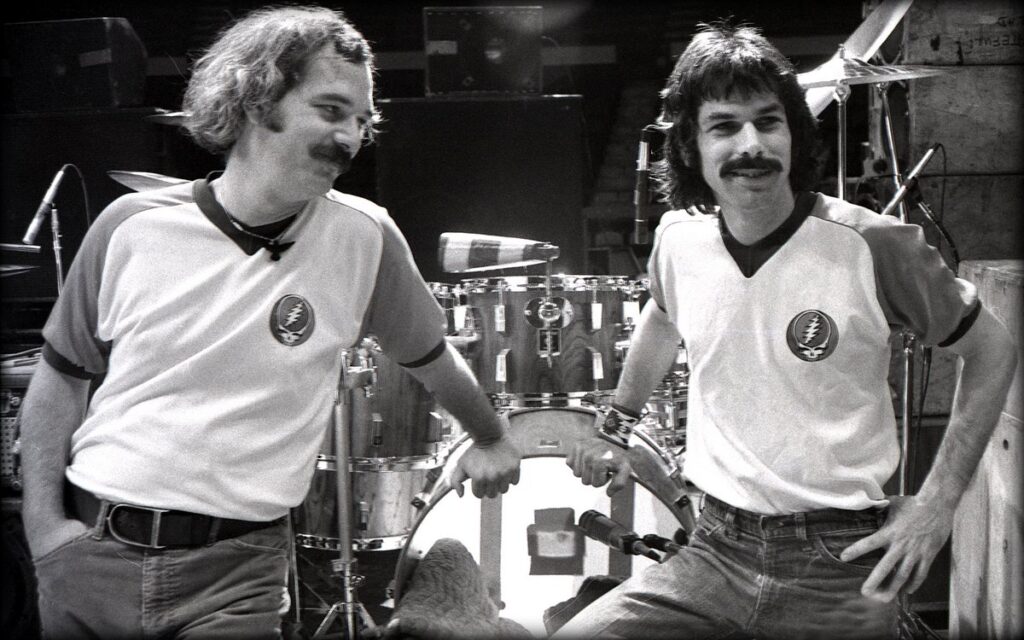
Few bands in the history of modern music have reshaped the experience of live performance quite like The Grateful Dead. Their concerts were never simply shows—they were immersive musical journeys where improvisation, community, and boundless creativity converged. Night after night, song after song, the band created an ever-evolving soundscape that transcended traditional genres and built one of the most dedicated fan communities in music history.
Today, that spirit continues through a powerful lineup of radio programming dedicated to celebrating the legacy of the Dead and the extraordinary artists who helped shape their sound. From rhythmic explorations led by the band’s legendary drummers to shows devoted to the solo work of Jerry Garcia and Bob Weir, JamFest Radio offers listeners a continuous connection to the music and culture that grew from the Grateful Dead’s groundbreaking approach to live performance.
The result is an ongoing musical journey—one that stretches across generations, festivals, and stages around the world.
The Grateful Dead: Architects of the Live Music Revolution
When The Grateful Dead emerged from the vibrant countercultural scene of San Francisco in the mid-1960s, few could have predicted the profound impact the band would have on music culture.
Rather than focusing solely on studio recordings, the Dead built their reputation through live performance. Their concerts became legendary for their improvisational depth, extended jams, and the spontaneous interplay between band members.
Each show felt unique.
Songs could evolve into twenty-minute explorations, blending rock, folk, blues, jazz, psychedelic experimentation, and Americana into a fluid musical experience.
Fans who followed the band from city to city—affectionately known as Deadheads—understood that every performance offered something new.
No two nights were ever the same.
This philosophy of musical freedom continues to inspire musicians across genres today, from jam bands and improvisational rock groups to experimental jazz ensembles and global fusion artists.
The Rhythm Section That Changed Everything
At the heart of the Grateful Dead’s sound stood one of the most powerful rhythmic partnerships in modern music: Mickey Hart and Bill Kreutzmann.
Known among fans as the band’s legendary dual-drummer lineup, Hart and Kreutzmann transformed percussion into a central force within the Dead’s sonic universe.
Rather than simply keeping time, the two drummers created rhythmic landscapes that propelled the band into improvisational territory.
Their performances often featured intricate polyrhythms, layered percussion textures, and spontaneous rhythmic conversations that could shift the entire direction of a song.
This rhythmic experimentation became one of the defining characteristics of Grateful Dead concerts.
It also laid the foundation for a new era of percussion-driven music exploration.
Planet Drum Circle: The Universal Language of Rhythm
That rhythmic exploration continues today through Planet Drum Circle, an electrifying radio show led by Mickey Hart and Bill Kreutzmann.
Broadcast every Sunday at 11:00 AM, the hour-long program invites listeners into a world where percussion becomes the central voice of musical expression.
Planet Drum Circle is more than a radio show—it’s an immersive rhythmic journey that explores the power of drums and percussion as a universal language.
Listeners experience a wide spectrum of sounds drawn from global traditions, experimental rhythm ensembles, and the deep improvisational heritage that Hart and Kreutzmann helped shape during their years with the Grateful Dead.
Each episode celebrates the idea that rhythm connects cultures, communities, and generations.
From tribal drum patterns and world percussion traditions to modern rhythmic fusion, the show demonstrates how rhythm can transcend borders and bring people together through shared musical energy.
For fans of the Grateful Dead, Planet Drum Circle offers a fascinating extension of the band’s musical philosophy.
It highlights the same spirit of exploration that fueled legendary Grateful Dead drum segments during live concerts—moments when rhythm itself became the centerpiece of the performance.
The Grateful Dead Live: The Endless Concert Experience and the Musical Universes of Jerry Garcia and Bob Weir
The Grateful Dead created something in the world of music that few artists have ever achieved: a living, breathing concert experience that continues to evolve long after the final encore of any single performance. For decades, the band’s live shows were more than concerts—they were journeys of improvisation, storytelling, rhythmic exploration, and community. Every night on stage became its own musical chapter, and every tour created a new story for the generations of fans who followed them from city to city.
Today, the legacy of the Grateful Dead’s live performances remains one of the most studied, celebrated, and beloved traditions in the history of rock and American roots music. Their concerts still circulate among fans, their recordings continue to inspire musicians, and their musical branches—through the solo projects of members like Jerry Garcia and Bob Weir—have expanded the universe of sound that the Dead first set in motion during the 1960s.
For listeners seeking to immerse themselves in this rich musical world, the journey does not stop with the band’s classic performances. Dedicated programming continues to explore the broader musical landscapes created by the Dead’s legendary members. Two shows in particular provide a deep and ongoing exploration of those sonic worlds: The JGB Radio Show and The Ace Radio Show.
Together, they offer listeners a gateway into the continuing musical legacy of Jerry Garcia and Bob Weir—two artists whose creativity shaped the sound of a generation.
The Grateful Dead: Redefining the Meaning of Live Music
When the Grateful Dead began performing in the San Francisco Bay Area during the mid-1960s, they were entering a music scene already bursting with innovation and cultural change. But the band quickly distinguished itself by doing something few groups had attempted before.
Rather than presenting carefully replicated versions of studio recordings, the Dead treated every concert as a living composition.
Songs expanded, transformed, and evolved on stage. Familiar melodies could stretch into twenty-minute improvisational journeys. Entire sections of a concert could move fluidly between songs, rhythms, and moods without a clear boundary between them.
This improvisational approach became one of the defining elements of the band’s identity. Fans attending multiple shows during a tour knew that they would never hear the same performance twice.
The result was a concert experience that felt organic, spontaneous, and deeply connected to the audience.
The Dead’s music blended a wide range of influences—rock, blues, folk, jazz, country, psychedelia, and Americana—into a sound that refused to be confined by genre.
At the center of that sound stood two essential creative voices: Jerry Garcia and Bob Weir.
Jerry Garcia: The Spiritual Heart of the Dead
Jerry Garcia’s role within the Grateful Dead extended far beyond that of guitarist and vocalist. To many fans, Garcia represented the emotional and creative center of the band’s musical universe.
Born in San Francisco in 1942, Garcia grew up immersed in a wide variety of musical traditions, including bluegrass, folk, and early rock and roll. His early experiences playing acoustic music deeply influenced his approach to improvisation and melody.
When Garcia picked up an electric guitar and stepped onto the stage with the Grateful Dead, he brought with him a musical language that was both expressive and exploratory.
His guitar solos rarely followed predictable patterns. Instead, Garcia approached improvisation as a form of storytelling.
Each note seemed to unfold naturally from the one before it, creating melodic lines that felt both spontaneous and inevitable at the same time.
This improvisational storytelling became a defining element of the Dead’s live performances.
But Garcia’s creative vision extended beyond the Grateful Dead itself.
Throughout his career, he pursued numerous side projects that allowed him to explore different musical directions.
One of the most beloved of those projects was the Jerry Garcia Band.
The Jerry Garcia Band: A Different Musical Journey
While the Grateful Dead thrived on psychedelic exploration and extended improvisational jams, the Jerry Garcia Band offered a slightly different musical atmosphere.
Garcia’s solo band leaned heavily into the traditions of American roots music, rhythm and blues, gospel, and soul. The performances were often warm, groove-driven, and emotionally resonant.
Rather than explosive improvisational passages, the Jerry Garcia Band emphasized deep musical feeling and expressive vocal delivery.
Songs unfolded with a relaxed confidence, allowing Garcia and his bandmates to explore melodies in a more intimate way.
For fans of Garcia’s musical universe, the Jerry Garcia Band represents an essential part of his legacy.
That legacy continues to be celebrated through The JGB Radio Show, which airs Sunday nights beginning at 9 PM.
The program serves as a dedicated tribute to Garcia’s solo work and the powerful musical identity of the Jerry Garcia Band.
Listeners tuning in experience a carefully curated journey through Garcia’s performances outside of the Grateful Dead. The show highlights the soulful energy, improvisational spirit, and emotional depth that defined Garcia’s approach to music.
For longtime Deadheads and new listeners alike, the JGB Radio Show provides a powerful reminder of the lasting influence Garcia had on American music.
Bob Weir: The Architect of Rhythm and Song
If Jerry Garcia represented the melodic soul of the Grateful Dead, Bob Weir served as one of its structural architects.
As rhythm guitarist, vocalist, and songwriter, Weir helped shape the band’s musical framework.
Unlike traditional rhythm guitarists who simply strummed chords behind a lead player, Weir developed a highly distinctive approach to the instrument.
His guitar work often involved complex chord voicings, syncopated rhythms, and intricate melodic counterpoints that intertwined with Garcia’s lead lines.
This innovative style gave the Grateful Dead a unique sonic texture that set them apart from other bands of their era.
Weir was also responsible for some of the band’s most memorable songs.
Tracks like “Sugar Magnolia,” “Truckin’,” and “Playing in the Band” became staples of the Dead’s live performances and helped define the band’s identity as storytellers of the American road.
Beyond the Grateful Dead, Weir pursued his own solo career and collaborative projects that further expanded his musical vision.
The Ace Radio Show: Exploring Bob Weir’s Musical Legacy
The continuing story of Bob Weir’s musical journey is celebrated each week through The Ace Radio Show, which airs Monday nights.
Named after Weir’s classic solo album Ace, the show dives deep into the rich catalog of his solo work and collaborative recordings.
Listeners can explore the full spectrum of Weir’s artistry—from his early solo recordings to the numerous projects that have carried his music into new eras.
The Ace Radio Show showcases the distinctive blend of rock, folk, and Americana that has defined Weir’s songwriting for decades.
Each broadcast offers fans an opportunity to hear the evolution of one of rock music’s most innovative rhythm guitarists and vocalists.
For those who appreciate the musical architecture behind the Grateful Dead’s sound, the show provides a fascinating exploration of the artistry that helped build that legacy.
The Grateful Dead’s Enduring Influence
The Grateful Dead’s impact on music extends far beyond their own recordings and concerts.
Their improvisational approach to live performance inspired generations of musicians and helped shape the modern jam band movement.
Artists across genres—from rock and bluegrass to jazz and experimental music—have drawn inspiration from the Dead’s fearless exploration of sound.
The band also helped pioneer a unique relationship between artists and fans.
Rather than restricting the recording of their concerts, the Dead famously encouraged fans to tape live shows and share them within the community.
This open philosophy created one of the most passionate fan cultures in music history.
Deadheads continue to trade recordings, analyze setlists, and celebrate the band’s concerts decades after they were first performed.
A Musical Universe That Continues to Expand
Even though the original Grateful Dead lineup no longer tours together, the band’s musical universe remains very much alive.
New recordings continue to surface from the band’s vast archive of live performances. Surviving members collaborate with new musicians and carry the music forward into new generations.
Programs like The JGB Radio Show and The Ace Radio Show help keep that legacy vibrant by spotlighting the creative paths taken by Jerry Garcia and Bob Weir beyond the Grateful Dead.
Each broadcast serves as a reminder that the music never truly stopped.
The songs continue to evolve.
The improvisations continue to inspire.
And the spirit of the Grateful Dead lives on through every note played, every story told, and every listener who discovers the magic of their music for the first time.
For fans of live music, few journeys are as rich, expansive, and endlessly rewarding as the world of The Grateful Dead Live.

